February 24, 2026
Persistent Cough & Asthma
When to See Dr Siza Mokati: Paediatric Pulmonologist & Specialist Paediatrician Pretoria/Tshwane
As a Paediatric Pulmonologist in Pretoria/Tshwane, one of the most common concerns I hear from parents is this:
“Doctor, my child has had a cough for weeks. Could it be asthma?”
A persistent cough in children is not something to ignore. While many coughs are caused by viral infections, allergies, or seasonal changes, a chronic cough in children can sometimes be an early warning sign of asthma or another underlying lung condition. With over 20 years of experience as a Specialist Paediatrician & Paediatric Pulmonologist for asthma and complex lung conditions, I have learned that early diagnosis makes all the difference in a child’s long-term health and quality of life.
If your child’s cough keeps returning, worsens at night, or is accompanied by wheezing in children, it may be time to consult a lung specialist for kids.
Understanding Chronic Cough in Children – Insights from Dr Siza Mokati: Paediatric Pulmonologist & Specialist Paediatrician Pretoria/Tshwane
A cough is considered chronic when it lasts longer than four weeks. In my practice at Netcare Montana Hospital in Tshwane, I evaluate many children with:
- A cough that persists beyond a simple cold
- Night-time coughing that disrupts sleep
- Cough triggered by exercise or cold air
- Recurrent chest infections
- Wheezing in children
Asthma is one of the most common causes of chronic cough in children, but it is not the only cause. Other possibilities include allergic airway disease, post-viral airway sensitivity, reflux-related cough, or less commonly, structural or immune-related conditions.
This is why a thorough assessment by a Paediatric Pulmonologist in Pretoria/Tshwane is essential
Could It Be Asthma? Early Signs of Childhood Asthma Diagnosis
Asthma does not always present dramatically. In fact, many children with asthma do not initially have obvious wheezing. Sometimes the only sign is a persistent dry cough.
Common features I look for during a childhood asthma diagnosis include:
- Recurrent coughing, especially at night
- Wheezing in children
- Shortness of breath
- Chest tightness
- Symptoms triggered by allergens, cold weather, or exercise
- Family history of asthma or allergies
Asthma is an inflammatory condition of the airways. When not properly treated, the airways become sensitive and reactive. The good news is that with the correct treatment plan, children with asthma can live completely normal, active lives.
Why Early Evaluation by a Lung Specialist for Kids Matters
Delaying evaluation can lead to:
- Repeated emergency visits
- Missed school days
- Sleep disturbances
- Long-term airway changes
As a Specialist Paediatrician for asthma, my approach is structured and evidence-based. I conduct a detailed medical history, clinical examination, and where age-appropriate, pulmonary function testing. In some cases, additional investigations may be required to exclude other causes of chronic cough.
The goal is not just to treat symptoms — but to understand the root cause.



When Should You See Dr Siza Mokati: Paediatric Pulmonologist & Specialist Paediatrician Pretoria/Tshwane?
You should consider booking an appointment if your child has:
- A cough lasting longer than four weeks
- Recurrent wheezing in children
- Frequent chest infections
- Cough that worsens at night
- Exercise-induced coughing
- Poor response to standard cough medications
Parents often tell me they were reassured repeatedly that it was “just another viral infection.” While viral illnesses are common, repeated or persistent symptoms deserve specialist assessment.
As a Paediatric Pulmonologist in Pretoria/Tshwane, I serve families from across Tshwane including Arcadia, Hatfield, Sunnyside, Waterkloof, Lynnwood Glen, Mamelodi and surrounding areas.
How I Manage Childhood Asthma and Chronic Cough
Every child is unique. Treatment plans are tailored individually and may include:
- Inhaled anti-inflammatory medications
- Bronchodilator therapy
- Allergy management
- Environmental trigger control
- Asthma education for parents and caregivers
- Long-term monitoring and follow-up
Education is central to my practice. I ensure parents understand:
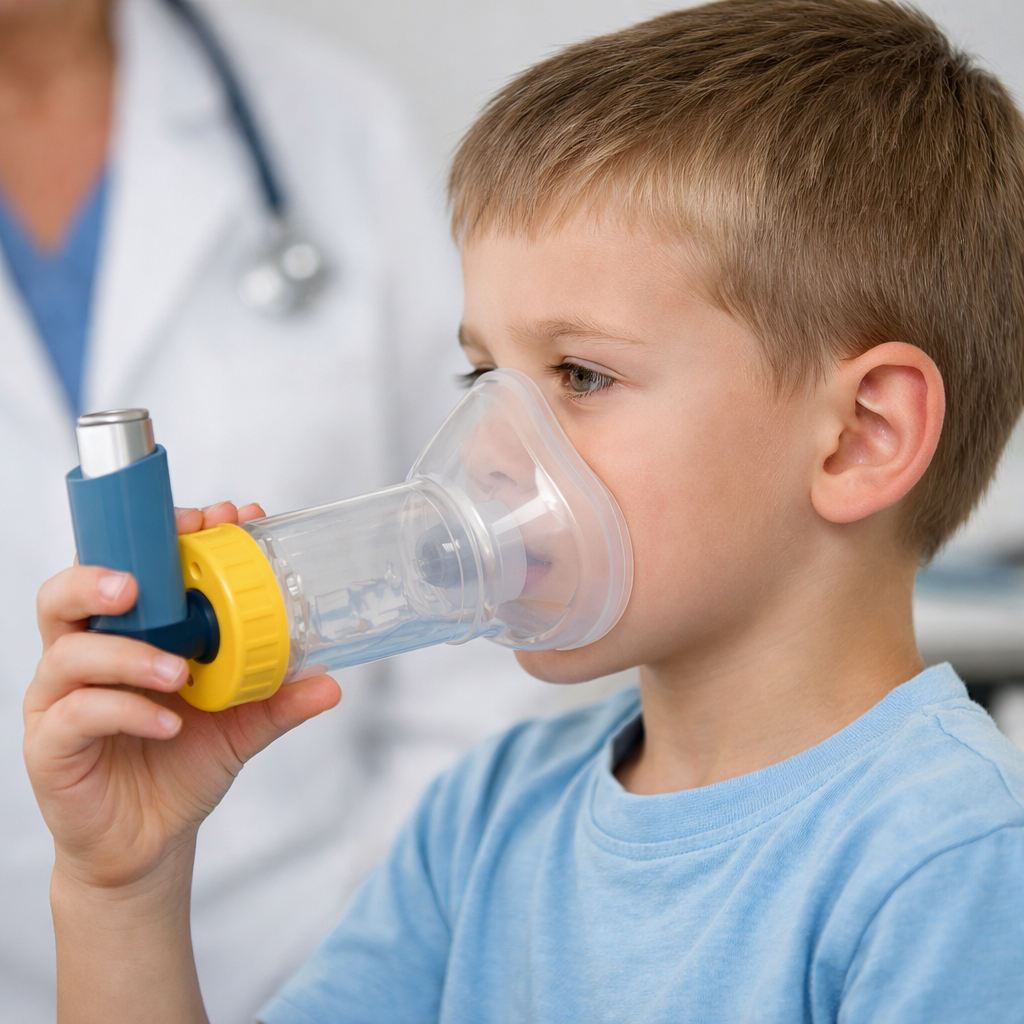
- How inhalers work
- Correct inhaler technique
- When to seek urgent care
- How to monitor symptoms at home
Properly managed asthma allows children to participate fully in sports, school, and daily activities.
Contact Dr Siza Mokati – Paediatric Pulmonologist & Specialist Paediatrician Pretoria/Tshwane
If your child is experiencing a persistent cough or symptoms suggestive of asthma, early intervention is key.
I consult at Netcare Montana Hospital in Tshwane where I provide comprehensive assessment and management of childhood lung conditions.
Contact us today to schedule an appointment and ensure your child receives expert, compassionate respiratory care.
Recent Posts
Have Any Question?
We’re here to help! Feel free to reach out to us and we’ll get back to you as soon as possible.
Frequently Asked Questions About Persistent Cough & Asthma
If your child’s cough lasts longer than four weeks, occurs mainly at night, worsens with exercise, or is accompanied by wheezing or shortness of breath, asthma should be considered. A proper evaluation by a Paediatric Pulmonologist in Pretoria/Tshwane is recommended for accurate diagnosis.
Yes. Some children present with cough-variant asthma, where a persistent chronic cough is the main symptom without obvious wheezing. A specialist assessment helps confirm the diagnosis.
Asthma can be suspected even in toddlers based on symptoms and medical history. However, formal lung function testing is usually possible from around 5–6 years of age.
No. Chronic cough in children can also be caused by allergies, post-viral inflammation, sinus conditions, reflux, or other lung disorders. A paediatric lung specialist can determine the exact cause and recommend appropriate treatment.
Some children experience improvement as they grow older. However, others may require long-term management. Early diagnosis and proper treatment significantly improve outcomes.